Pet Food Advocacy
Credit: mattycoulton @ Pixabay
Pet Food and Nutrition
Why Pet Food Matters
Pet food touches every part of the sustainability conversation: animal health, ingredient sourcing, environmental impact, packaging, toxins, and regulatory oversight. Most consumers assume pet food is safe, nutritious, and well-regulated. Unfortunately, this is not always the case.
Nutrition determines everything from immune resilience to longevity. Ingredient choices determine ecological impact. And manufacturing practices determine safety and transparency. Understanding all three layers is essential for making choices that protect pets and the planet.
Nutrition and Health
A sustainable food system must support the health of the animals it feeds. Unfortunately, the vast majority of pet foods are designed to satisfy the minimum needs of nearly all pets, but the optimum needs of none.
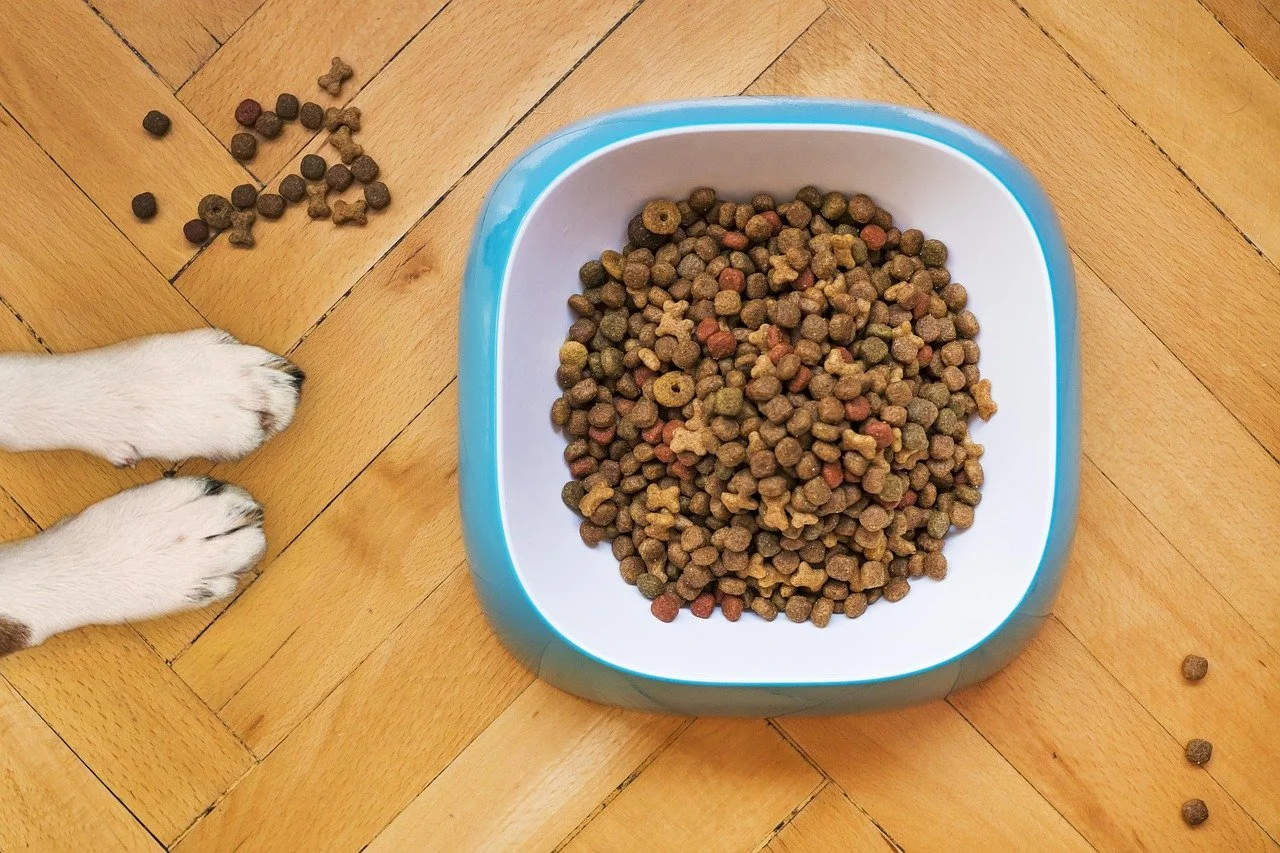
Dry food, in particular, presents a number of problems for both cats and dogs. Highly processed kibble is inflammatory, dehydrating, and often the first step toward chronic conditions such as obesity, diabetes, inflammatory bowel disease, and urinary tract disorders. Cats, especially, are not physiologically equipped to thrive on dry diets, and many dogs also experience digestive issues and allergies that improve when moisture-rich, fresher diets replace kibble.
Food sensitivities are common, and pets with chronic vomiting, diarrhea, itchy skin, or ear infections often respond best when moved to biologically appropriate, less-processed food sources. Nutrition should not create disease, it should prevent it!
Contaminants, Toxins, and Safety
A sustainable system cannot rely on contaminated or unsafe ingredients. Yet pet food has a long and well-documented history of problems, including heavy metals, pesticide residues, harmful additives, mislabeling, and even industrial and nuclear waste products entering the feed stream.
This is, of course, all highly illegal. Pet food is not different from human food under the law. The Food, Drug and Cosmetic Act governs all human and animal food under the same standard. But over the years, policies and guidance documents have weakened the plain meaning of the law and created numerous loopholes that favor agriculture and industry profits over people and animals.
Regulatory oversight is inconsistent, and enforcement is limited. Labels often do not match what is actually in the bag, and consumers have no practical way to verify ingredient quality or sourcing. Even “premium” foods may use lower-quality feed-grade ingredients that would never be permitted in human food.
True sustainability demands safety, traceability, and honesty. Without those, environmental claims are meaningless, and pets remain vulnerable to preventable harm.
Label Transparency and Consumer Advocacy
Consumers deserve to know what they are buying. Unfortunately, pet food labels are notoriously opaque. Companies rely on marketing instead of meaningful information. AAFCO standards are largely outdated, slow to change, and unfortunately influenced by industry interests rather than consumer and animal welfare.
We advocate for clearer standards, accurate labeling, responsible sourcing, and a regulatory system that prioritizes companion animals and the people who love them. Transparency is the foundation of trust, and trust is the foundation of a sustainable pet food system.
Our goal is to help consumers understand what labels really mean, where ingredients come from, how foods are processed, and what questions every pet parent should be asking.
At this time, these goals are seriously imperiled by pet food lobbyists, industry representatives, and federal legislators who are seeking to put the fox in charge of the henhouse. We are stepping forward here and now to tell the truth and make sure things get better, not radically worse.
Where We Go From Here
Food is only the beginning. Sustainability extends far beyond the bowl, touching home environments, yard care, toxic exposures, non-drug therapies, safe products, and every part of a pet’s life.
But nutrition is the foundation, the cornerstone. When we improve the food system, we improve everything that depends on it: health, quality of life, environmental impact, safety, and consumer protection.
This section of the Pet Sustainability Project will continue to expand with position statements, resource guides, product guidance, and deep dives into the issues that matter most.