Pet Food Advocacy
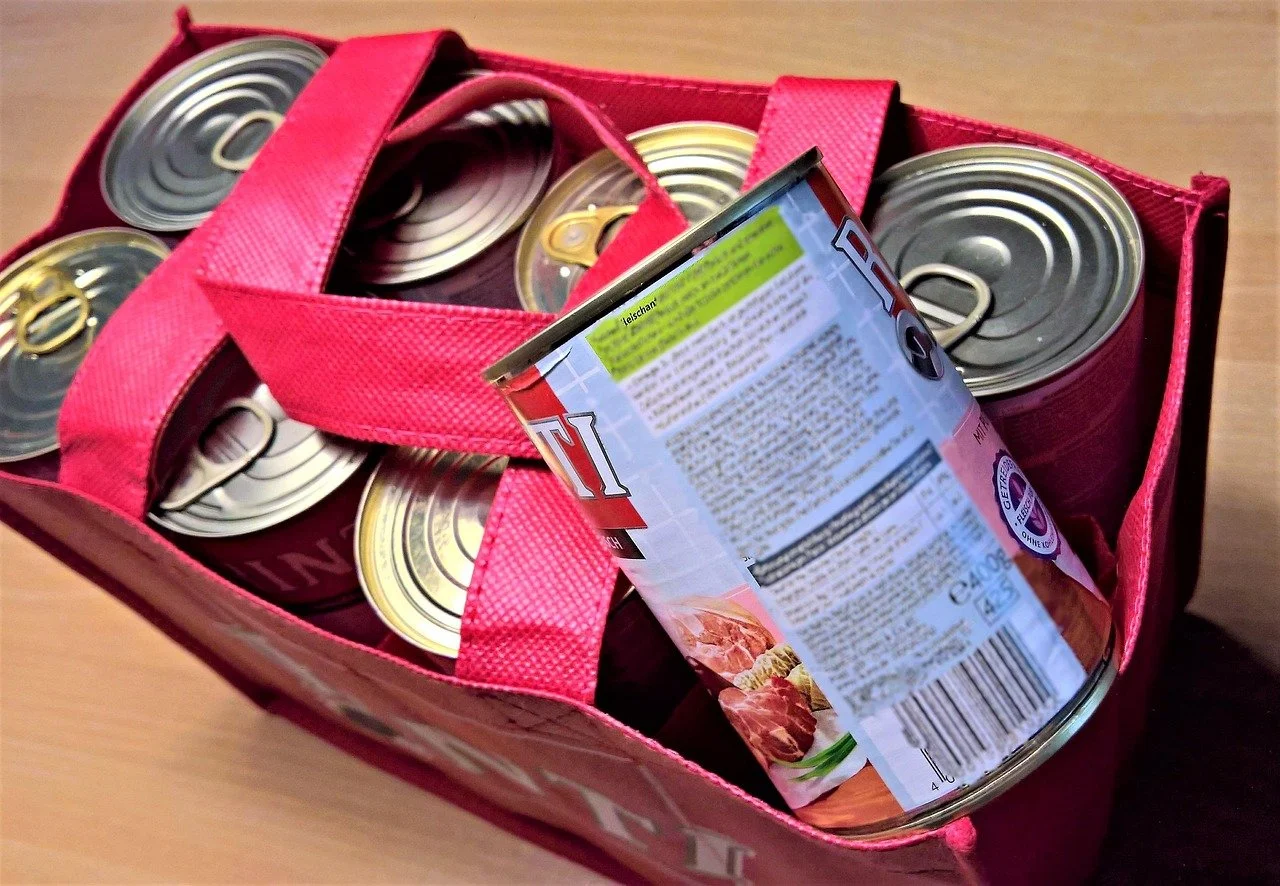
Dog food cans. Photo by Monika1607, Pixabay
Label Transparency & Consumer Advocacy
Pet parents assume that the pet food label tells the truth. They expect “chicken” to mean chicken, and “natural” to mean something from nature and not a laboratory. Unfortunately, pet food labeling standards in the United States allow confusing terminology, broad loopholes, and marketing language that obscures what is actually in the bag or can. The result is a system where even well-intentioned consumers are left guessing, and where companies can lean on technicalities and outdated regulations to mask poor ingredient quality.
For decades, AAFCO and FDA have used definitions and policies that were written in the 1940s and 50s. Many originated in livestock-feed regulation, where the primary concern was agricultural efficiency rather than long-term health. Even after years of committee work, public comment, and pressure from consumer advocates, pet food labels still fail to offer the clarity that pet parents deserve.
Why Label Transparency Matters
Misleading or vague labeling isn’t just an inconvenience — it affects the safety, nutritional value, and environmental footprint of the food. When companies use umbrella terms like “meat,” “animal fat,” or “poultry by-product meal,” they gain enormous leeway to source ingredients of inconsistent or unknown quality. Rendering practices vary widely, and without transparency, it’s impossible for pet parents to know what they are feeding or whether the sourcing aligns with their values about sustainability and animal welfare.
Label opacity also hides the true impact of pet foods on ecosystems. Ingredients sourced from industrial agriculture, poorly regulated fisheries, or unsustainable supply chains cannot be identified by reading the label. This prevents pet parents from making choices that support planetary health.
What the Rules Allow — and Why It’s a Problem
AAFCO definitions permit labeling terms that sound clear but are anything but. The term “meat” includes four species: cattle, pigs, sheep, and goats. The same is true for fats, flavorings, and colorants. Even terms like “natural” have regulatory definitions that differ sharply from common-sense interpretations, and synthetic ingredients may still creep in.
In public AAFCO meetings, companies and their lobbyists have reliably argued against stricter definitions or more transparent requirements, citing proprietary sourcing or “consumer confusion.” But in practice, lack of transparency benefits manufacturers, not consumers. The labels remain obtuse because the underlying definitions allow it. New standards have been in development for years, but meaningful progress remains slow.
When Labels Don’t Match What’s Inside
Independent testing has repeatedly revealed ingredient mismatch — cases where DNA testing shows species not declared on the label or the absence of ingredients that were declared. While not every mismatch indicates fraud, it highlights significant issues in traceability, supply-chain management, and manufacturing oversight. When companies rely on variable raw materials or contract manufacturing, cross-contamination becomes common. Transparency and accuracy suffer.
These issues matter for health as well as ethics. Pets with allergies or intolerances cannot rely on labels to avoid problematic ingredients. Pet parents who want to support sustainable sourcing cannot make informed choices if ingredient identity isn’t guaranteed.
The Role of Consumer Advocacy
The gap between regulatory language and plain-language consumer understanding has allowed the industry to maintain the status quo. Consumer advocates — including veterinarians, scientists, and concerned pet parents — have pushed for years for clearer labels, more accurate ingredient definitions, and better regulatory enforcement. Progress does occur, but it is incremental and glacially slow.
Groups that work constructively within AAFCO can be very effective. Unfortunately, consumers have very little influence. There are precious few consumer advocacy groups that have a seat at the table. Committee members must represent “non-profit” organizations, but the representatives themselves work for highly profitable companies.
For instance, the Pet Food Institute, which represents all the big pet food companies and a few small ones, always works the hardest to prevent any progressive change whatsoever. When Advisors introduce themselves, they say they are there on behalf of PFI. But in their day-to-day jobs, they work for Purina, Mars, Hills, Diamond, Cargill, and other major players.
When advocates show up to meetings, comment on proposals, and submit formal documentation, committees take notice. Educated consumers create pressure from outside the system as well. Transparency improves when regulators, the public, and responsible companies all recognize that vague terminology no longer serves today’s companion animals or their families.
What Pet Parents Can Do Right Now
Until labeling reform catches up with modern expectations, pet parents can take several practical steps:
Recognize the limits of the label.
A legally compliant label is not a guarantee of quality, sustainability, or safety.Contact companies directly.
Ask how they verify ingredient identity, prevent cross-contamination, and choose suppliers.Support brands that provide sourcing information voluntarily.
Some companies publish supplier lists, sustainability reports, or independent audit results.Stay informed.
Follow recall information, AAFCO updates, and research on ingredient quality.Advocate.
Submit comments when AAFCO or FDA opens proposals for public input. Consumer voices matter more than most people realize.
In the long run, stronger labeling standards will benefit not just pet parents and pets, but also responsible manufacturers and the environment. Clear language supports better choices, improves accountability, and aligns with the broader mission of sustainability in pet care.
References
Association of American Feed Control Officials (AAFCO). Public Pet Food Committee meeting notes and ingredient definition proceedings. Various years.
Center for Veterinary Medicine (CVM), U.S. Food & Drug Administration. Pet food labeling regulatory guidelines and compliance policy guides.
Feature 3
Class aptent taciti sociosqu ad litora torquent per conubia nostra, per inceptos himenaeos. Donec ac fringilla turpis.